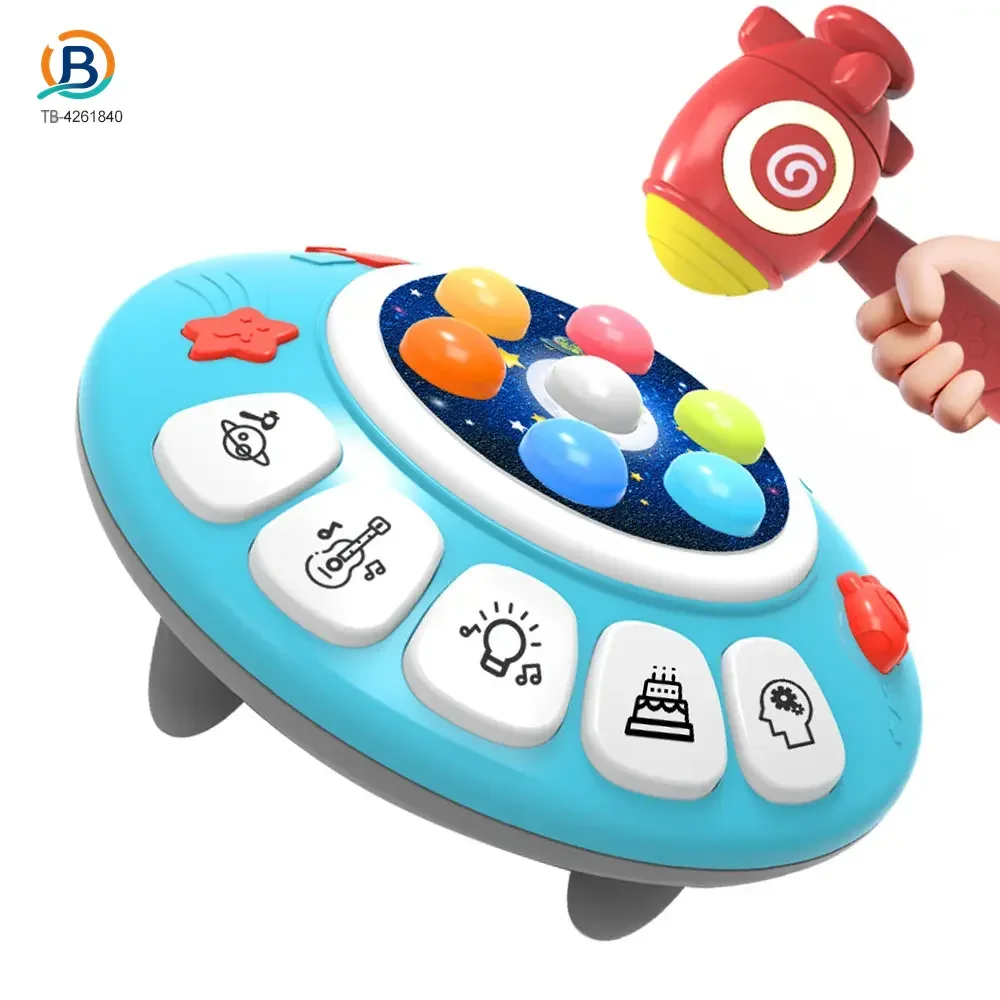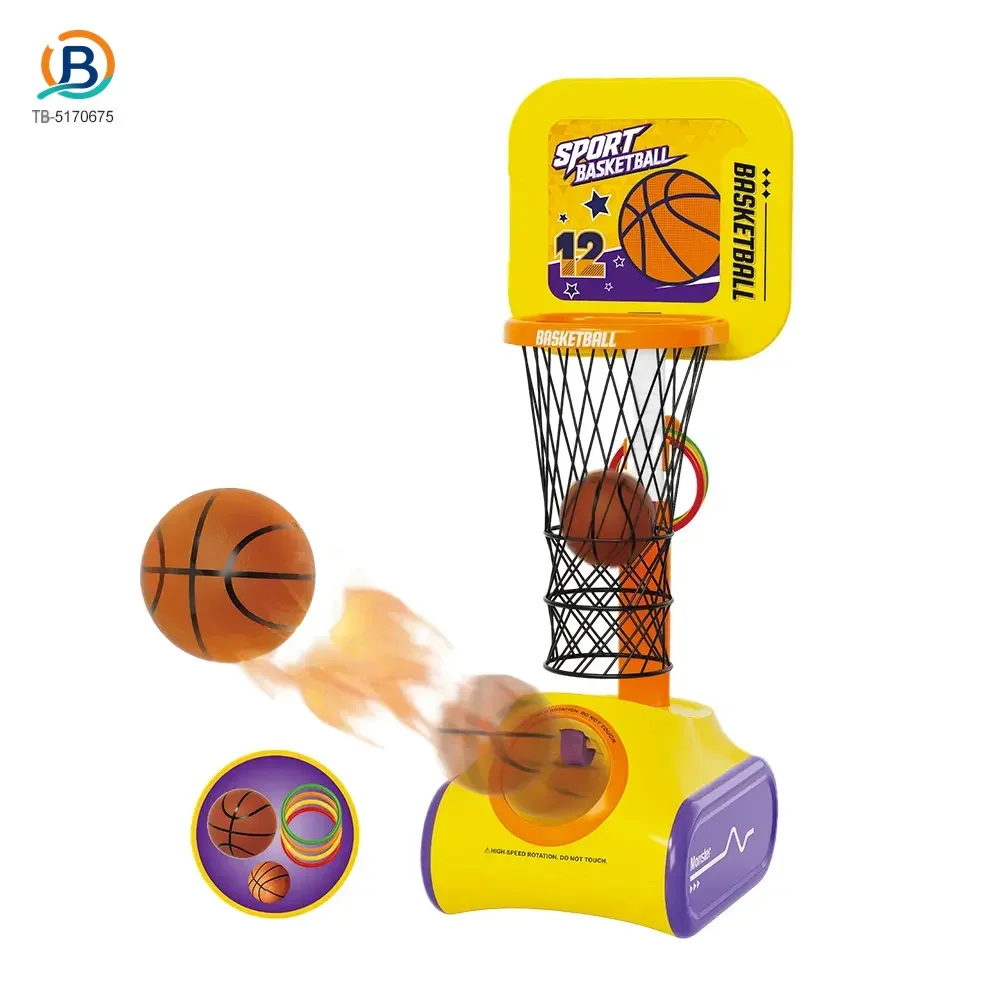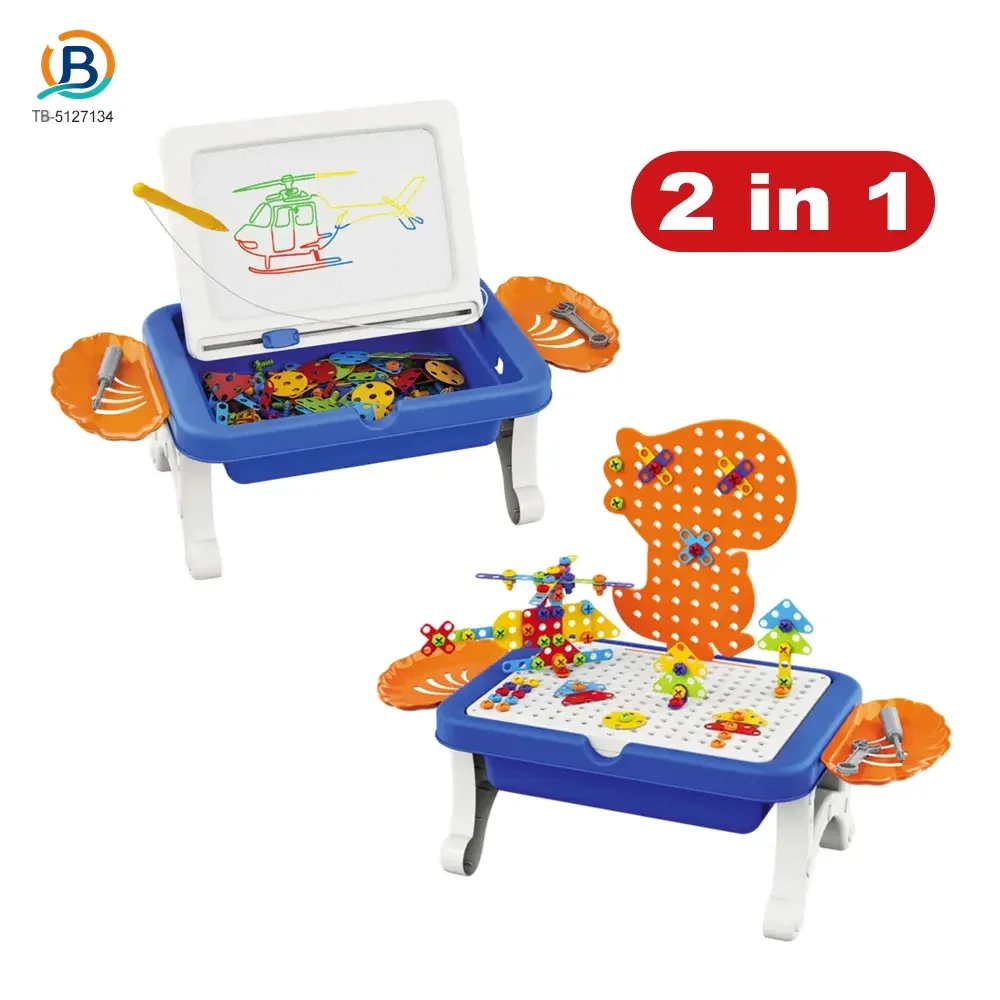










Write a toy RFQ as a controlled specification: identify each model, state quantity by SKU, define the pack, name the sales market and delivery destination, and request one explicit delivery basis. Mark each unresolved detail as a buyer assumption or a supplier confirmation request—not an agreed fact. Keep unquoted product prices and freight inputs out of confirmed totals. This gives suppliers the same scope to price and makes substitutions, exclusions and cost differences visible before you compare offers.
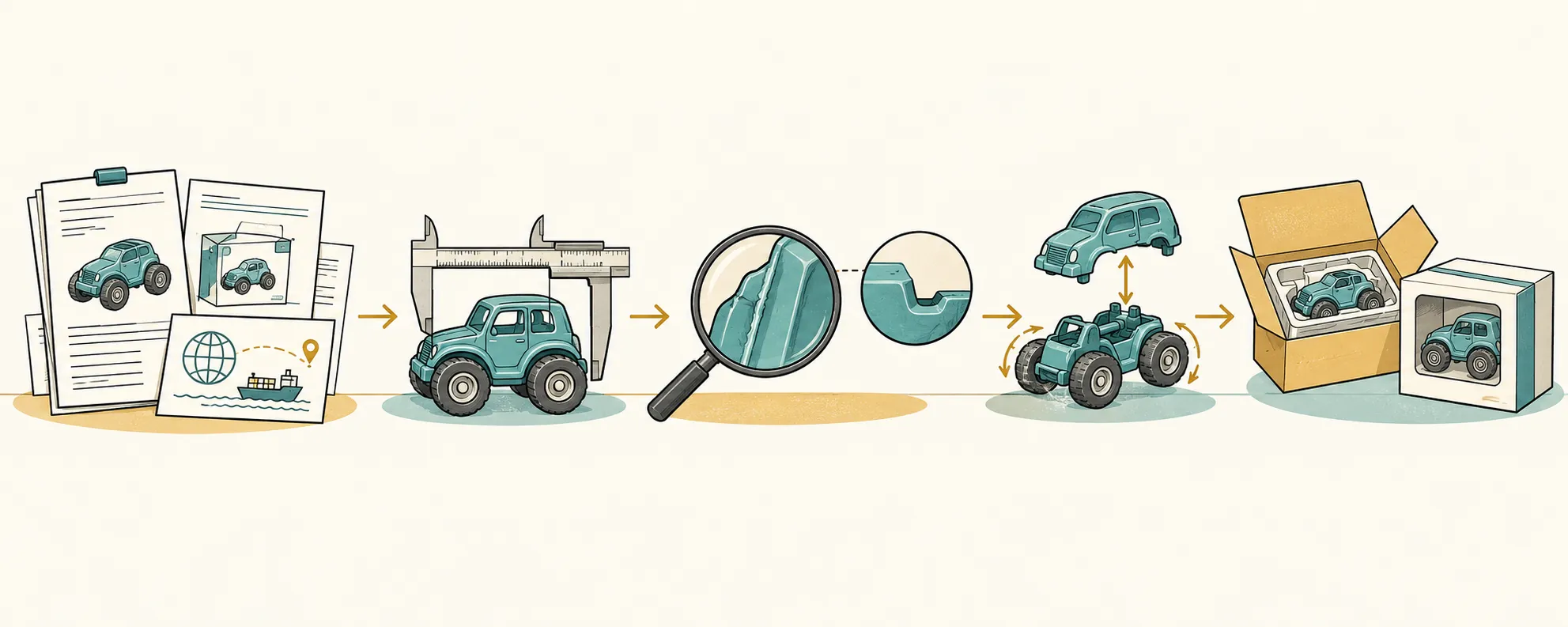
How should an RFQ distinguish requirements from assumptions?
Give every material instruction a status: buyer requirement, buyer assumption awaiting confirmation, or supplier response requested.
A buyer requirement is something the quotation must meet, such as English-language retail packaging. An assumption is a provisional basis for pricing, such as retaining the catalog pack. A supplier response supplies the actual offer: pack count, price, production timing or an exception.
Use a simple instruction at the top of the RFQ: “Quote the stated baseline. Identify every deviation against the relevant line. Offer alternatives separately; do not replace the baseline silently.” A model link alone is not a specification freeze—attach a dated screenshot, specification sheet or sample reference so later page changes do not obscure what was requested.
What should a fillable toy RFQ brief include?
| RFQ control | RFQ reference: [enter reference]. Revision/date: [enter]. Buyer/contact: [enter]. Reply deadline: [enter date and time zone]. Supplier must identify the revision quoted. |
|---|---|
| Model identity—repeat for each SKU | Buyer item reference: [enter]. Supplier model reference: [enter]. Product URL: [paste exact model link]. Attached specification/photo/sample reference: [enter revision or date]. |
| Quantity and unit of sale | Requested quantity: [enter] pieces/sets per SKU. Variant split: [enter quantity by color or configuration]. Define what one saleable unit includes. Quote each line separately. |
| Product baseline | Intended age grade: [enter]. Required dimensions, materials, colors, functions and included accessories: [enter]. For powered toys, specify battery or charging configuration and whether batteries are included. Mark proposed alternatives separately. |
| Retail and inner pack | Retail pack format: [enter]. Units per retail pack: [enter]. Inner-pack quantity: [enter requirement or request supplier proposal]. Packaging language, artwork, barcode and warning-layout requirements: [enter]. |
| Export carton | Requested packing arrangement: [enter]. Supplier to state units per carton, carton dimensions, net/gross weight and shipment totals. Confirm whether mixed variants are permitted and whether any full-carton ordering restriction applies. |
| Intended market | Countries where the toy will be sold: [enter]. Intended age positioning and sales channel: [enter]. Keep this separate from the freight destination. |
| Destination | Receiving country, city and postal code: [enter]. Port, terminal or full delivery address appropriate to the requested basis: [enter]. State whether onward delivery is inside or outside the requested quotation. |
| Named delivery basis | Requested trade term: [enter term, exact named port/place and Incoterms edition]. Supplier to repeat the complete basis in its offer and list included and excluded charges. |
| Requested documents | Request the specification sheet, packing details, relevant test reports and market-specific conformity documents for review. Ask the supplier to identify the covered model/configuration, sample description, dates and document scope, and to separate existing documents from proposed new work. |
| Sample and production timing | Sample required: [describe configuration and pack]. Supplier to state sample charges, dispatch estimate, production lead time and the event that starts that lead time. Required arrival date: [enter]; supplier to confirm feasibility separately. |
| Product pricing | Currency: [enter]. Supplier to quote unit price and line total on the stated delivery basis, minimum order quantity, payment terms and quote validity. List testing, artwork, tooling or other one-time charges separately where applicable. |
| Freight and other cost inputs | Identify each input as supplier-quoted, forwarder-estimated or buyer-entered. For an unquoted input, write “quote requested; excluded from confirmed subtotal.” Record rate date, currency, scope and exclusions when a figure is entered. |
| Supplier exceptions | Return a line-by-line list of accepted requirements, proposed deviations and items awaiting confirmation. Price alternatives separately and identify any changes to product, pack, documents or delivery scope. |
What does a completed destination-and-price-status example look like?
| Intended sales market | United States. Document review and packaging instructions must address this intended market. |
|---|---|
| Packaging language | English. Buyer requires approval of packaging artwork before production. |
| Shipment destination | Port of Los Angeles, California, United States. Onward warehouse delivery is outside this RFQ's baseline comparison. |
| Requested quotation basis | FOB Shanghai, China, Incoterms 2020. This is the buyer-requested basis; supplier must confirm acceptance or identify a different offered basis explicitly. |
| Product price status | Supplier quotation requested in USD for each product line on the stated basis. No product price has been entered. |
| Freight input status | Buyer will obtain a separate freight estimate after receiving shipment dimensions and gross weight. No freight rate has been entered; freight is not treated as zero. |
| Other destination costs | Buyer to obtain applicable import and destination-charge estimates separately. These costs are outside the confirmed subtotal until entered with their source and scope. |
| Required supplier response | Repeat the offered delivery basis, state exclusions and provide shipment packing details. Quote any alternative loading port as a separate option rather than silently changing the baseline. |
Which differences must be resolved before two toy quotes are comparable?
| Same model name, different contents | Compare the included parts, accessories and powered configuration against the line specification. A matching title or photograph does not establish an identical saleable unit. |
|---|---|
| Same toy, different retail pack | Keep the requested pack as the baseline. If an offer substitutes a bag for a retail box, request the specified pack price separately rather than treating the two offers as equivalent. |
| Different export-carton arrangement | Review carton dimensions, gross weight and shipment totals alongside unit price. Confirm ordering restrictions explicitly; a carton quantity alone does not establish a mandatory order multiple. |
| Different delivery basis or named place | Request a revised quote on the common basis, or identify and estimate the additional cost components needed for a common destination comparison. Do not rank the offers by their displayed unit prices alone. |
| Price or freight still awaiting quotation | Show a priced subtotal and list the outstanding cost components beside it. Do not label the result a complete landed total or replace an outstanding cost with zero. |
How should buyer-entered rates appear in the comparison?
Keep buyer-entered rates in a separate estimate column, with their source, date, currency and coverage visible.
A useful comparison separates quoted goods value, separately quoted charges, freight estimates and applicable destination costs. Add each cost only once: a charge already included in the quoted basis must not be added again. The manufacturing RFQ guide recommends normalizing offers to landed cost rather than comparing raw factory prices. Manufacturing RFQ checklist
Label the result “estimated destination cost” while estimates remain. If a component is still unpriced, show the available subtotal plus the outstanding items—not a falsely complete total.
What should the supplier return before the RFQ is closed?
Close the RFQ comparison only after the supplier has returned a revision-matched offer with line prices, packing details, document references and explicit exceptions.
Request one consolidated response rather than assembling the commercial basis from scattered messages. Check that the offered model and variant match the request, quantities use the same unit, packaging is priced as specified, and the delivery term includes its named place.
When a supplier changes a requirement, keep that offer as an alternative. Either obtain a baseline revision or issue the same revised brief to every supplier being compared. The final comparison should make clear what the buyer requested, what each supplier offered and which costs remain estimates.
Sources
- How to Write a Manufacturing RFQ That Gets Better Quotes