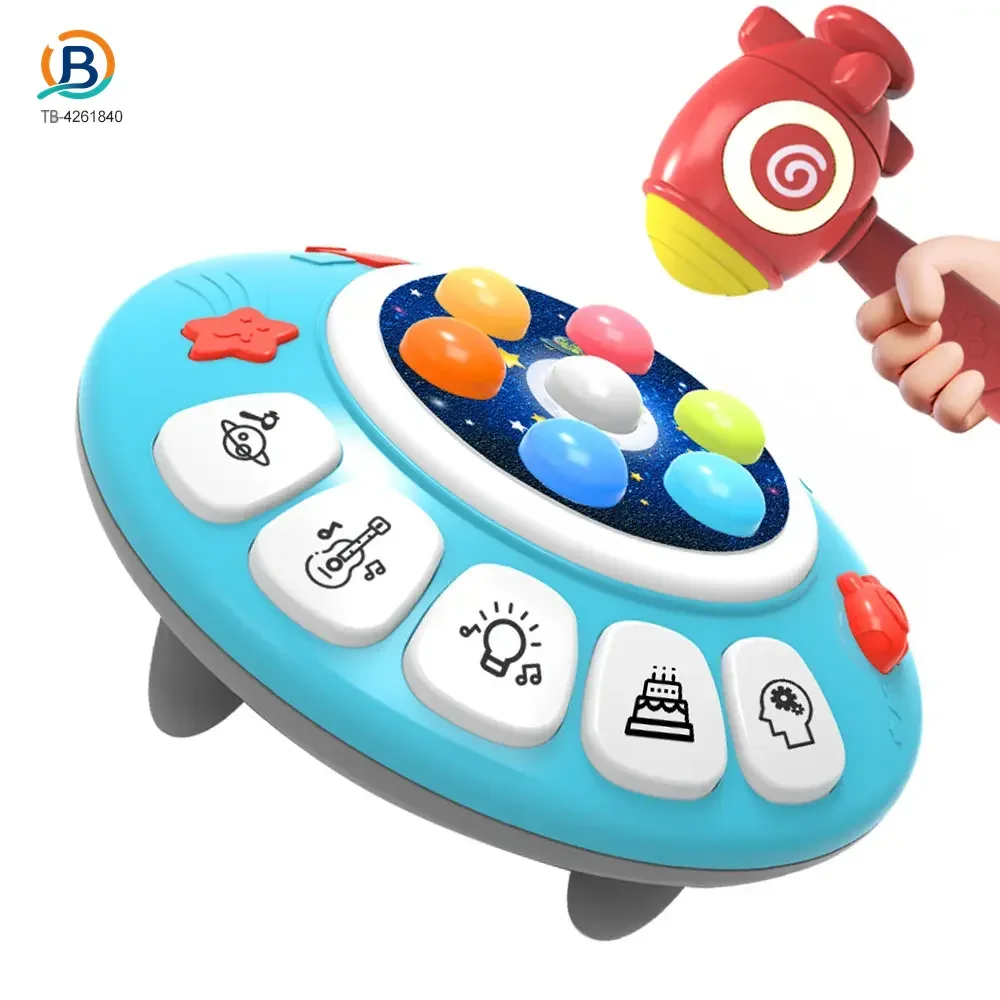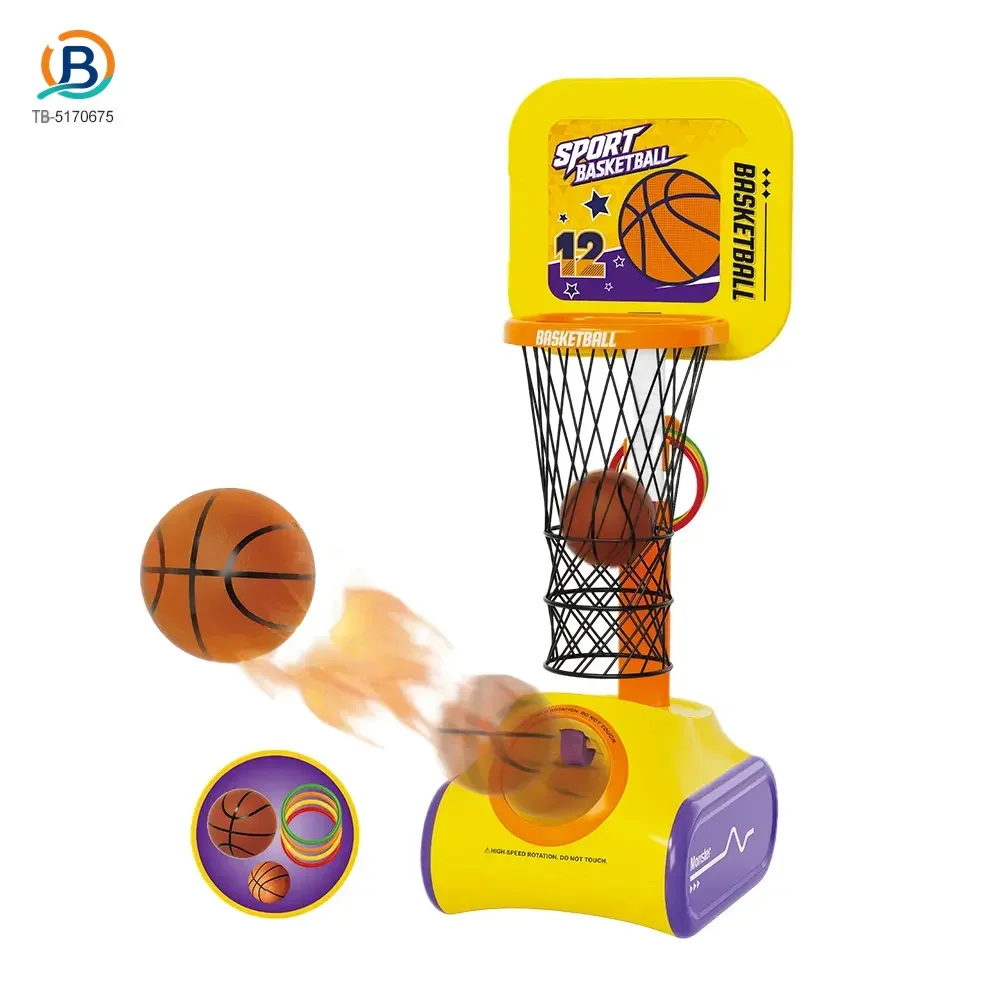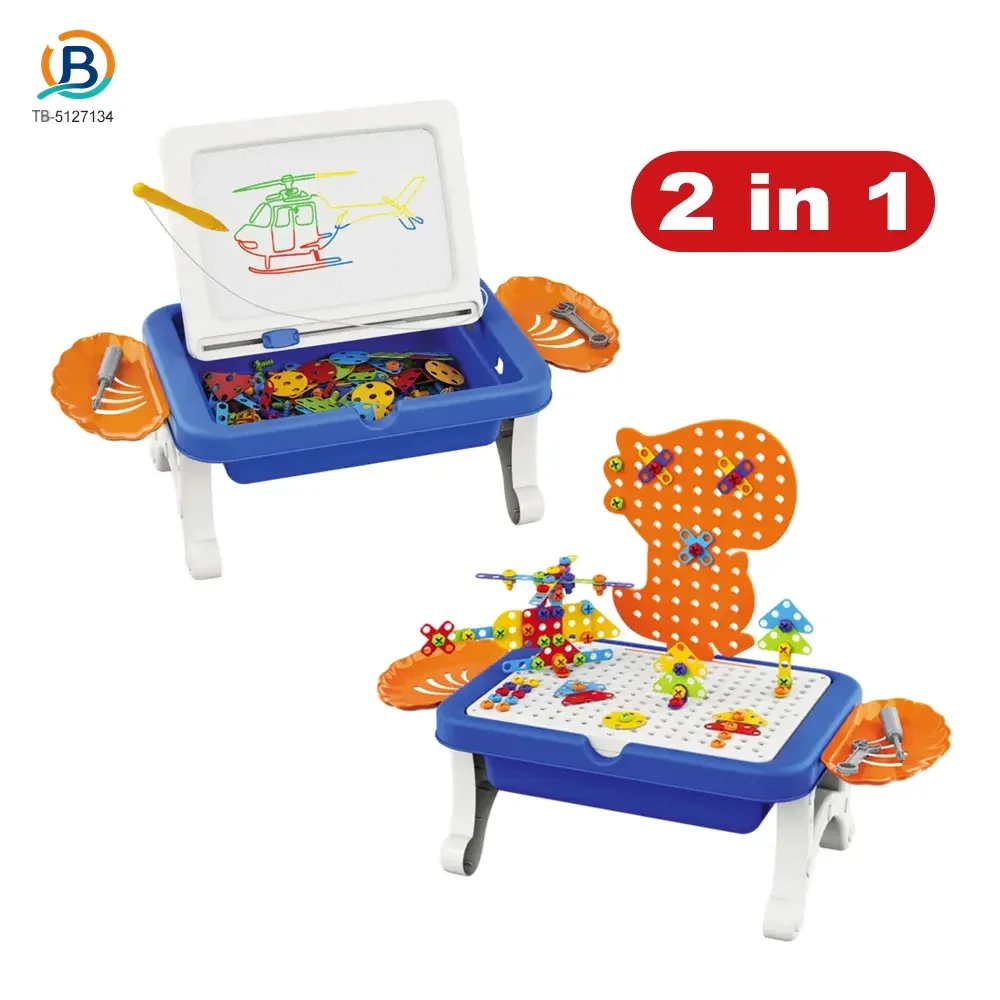










A one-carton MOQ makes each SKU’s confirmed carton pack—not a uniform piece quantity—the starting point for your purchase plan. For a toy wholesale MOQ of one carton per SKU, multiply the quoted pieces per carton by your chosen carton count, then check that quantity against your buying target. Confirm the pack and assortment in writing before ordering, and keep proposed packing data separate from the final packed measurements used for shipment reconciliation.
Does a one-carton minimum mean every order must be a whole-carton multiple?
A one-carton minimum does not, by itself, establish a whole-carton order multiple. Ask the quote to state both the minimum quantity and whether quantities above that minimum must follow full-carton increments.
Also confirm what counts as one SKU: a single design, a particular color, or an agreed assortment. Do not assume several styles can share the minimum. Record the approved style mix and piece count for each quoted line.
MOQ is a supplier constraint, not evidence of customer demand. Compare the resulting piece quantity with your own purchasing target; if one confirmed carton exceeds that target, choose explicitly between carrying the difference, requesting an alternative pack, or leaving that SKU out of the order. Flieber
How many pieces can one carton represent?
| Smart electric guitar toy — color-box pack | Catalog quantity: 24 pieces/carton. Carton dimensions: 70 × 37 × 54 cm. Gross/net weight: 19.5/18 kg. Listed volume: 0.14 CBM. Illustrative selection: 1 carton × 24 = 24 pieces. Obtain written confirmation of the current pack and minimum. |
|---|---|
| Modular elephant building-block toy — color-box pack | Catalog quantity: 48 pieces/carton. Carton dimensions: 64 × 37 × 55 cm. Gross/net weight: 16.5/15 kg. Listed volume: 0.13 CBM. Illustrative selection: 1 carton × 48 = 48 pieces. Obtain written confirmation of the current pack and minimum. |
What belongs in a carton-to-piece quote worksheet?
| Item and quote identity | Buyer item reference: ___; supplier item reference: ___; product description: ___; style/color allocation: ___; pack version: ___; quote number and revision date: ___. |
|---|---|
| Minimum and ordering rule | Confirmed minimum: ___ cartons / ___ pieces; minimum applies per: ___; whole-carton increments required: yes/no; permitted mixed styles and quantities: ___. |
| Carton-to-piece conversion | Confirmed pieces/carton: ___; chosen cartons: ___; planned pieces = pieces/carton × chosen cartons: ___; supplier-confirmed order quantity: ___; buyer’s original piece target: ___; difference from target: ___. |
| Pre-PO packing proposal | Proposed closed-carton L × W × H: ___ × ___ × ___ cm; CBM/carton: ___; proposed gross/net kg per carton: ___ / ___; carton construction and strength specification: ___; packing specification revision: ___. |
| Buyer-entered purchase value | Quoted price basis: per piece/per carton; quoted rate and currency: ___; goods value = confirmed order quantity × matching quoted rate: ___. Keep piece and carton price units distinct. |
| Shipping marks and release record | Approved shipping-mark artwork/version: ___; carton numbering scheme: ___; final packing-list revision: ___; final measured dimensions and gross weight record: ___; quantity reconciliation: ___; buyer acceptance or correction decision: ___. |
How should carton dimensions become a CBM estimate?
Calculate CBM from the closed carton’s external dimensions in centimeters, then multiply by the number of cartons with that same pack configuration. Use proposed measurements for pre-PO planning and final packed measurements for shipment reconciliation.
Explicitly hypothetical example: a carton measuring 60 × 40 × 50 cm has a volume of 60 × 40 × 50 ÷ 1,000,000 = 0.12 CBM. Three identical cartons total 0.12 × 3 = 0.36 CBM. These dimensions and carton count are assumptions, not product specifications.
Rounding alone need not trigger rejection. The guitar toy’s catalog dimensions calculate to 0.13986 CBM, compared with its listed 0.14 CBM. Preserve measurement units and rounding precision, and agree acceptable dimensional variation before inspection. A changed pack configuration requires a fresh calculation, not reuse of another item’s carton volume.
What should you inspect on the final closed shipping cartons?
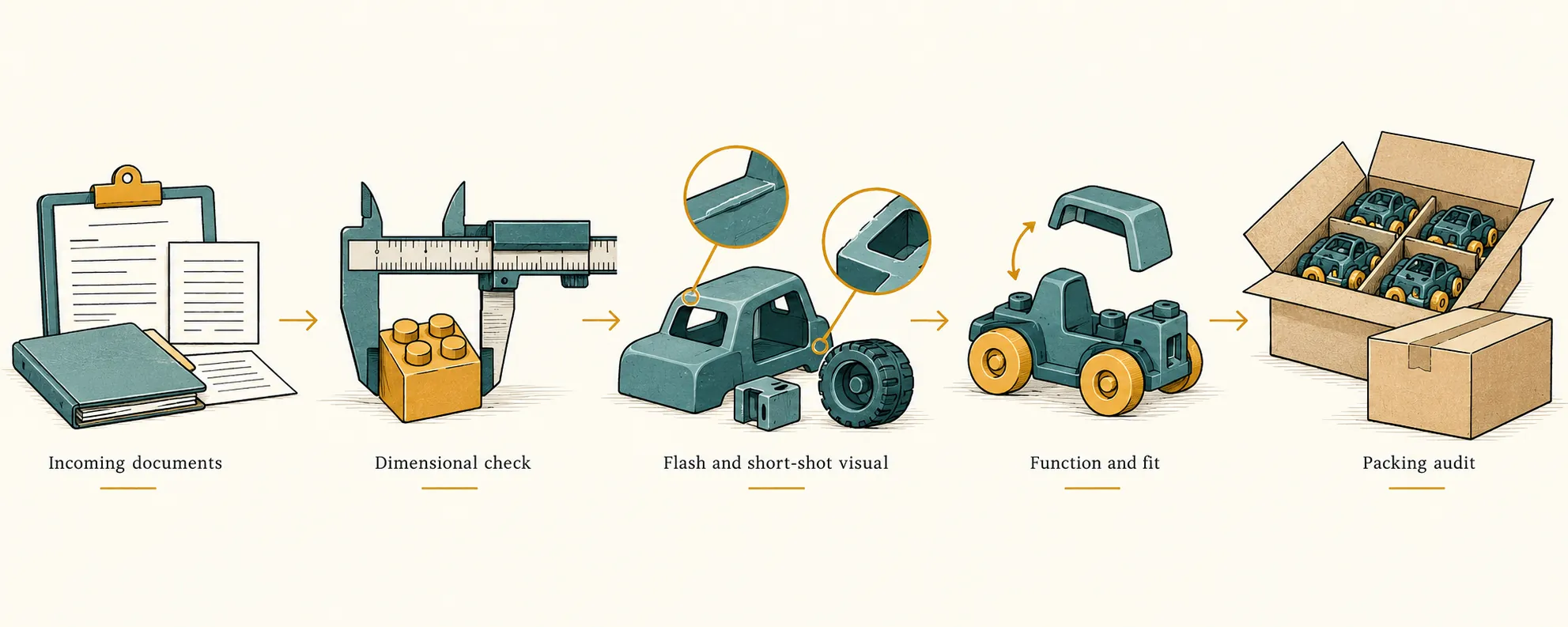
| 1. External dimensions and CBM | Inspect: measure closed-carton length, width and height in centimeters, including visible bulging. Compare with: accepted pre-PO packing dimensions and final packing list. Discrepancy: a unit error, changed carton format, or measurement outside the agreed tolerance. Next decision: verify the measurement, recalculate shipment CBM, and accept the documented revision or request packing correction. |
|---|---|
| 2. Carton count and declared piece quantity | Inspect: count cartons by item reference and carton number; match the stated pack quantity to each configuration. Compare with: purchase order, packing records and final packing list. Discrepancy: missing or duplicate carton numbers, an unexpected assortment, or a carton-count × pack-quantity total that does not match the order. Next decision: reconcile the affected line and request packing or recount evidence before accepting its quantity. A sealed-carton check alone cannot verify the pieces inside. |
| 3. Gross and net weights | Inspect: weigh the closed carton in kilograms and record gross weight. Compare with: the accepted packing proposal and final packing list; review net weight against packing records rather than treating it as a closed-carton scale reading. Discrepancy: an unexplained weight change or inconsistent gross/net entries. Next decision: check the pack configuration and weighing record, then correct the packing list or investigate the affected cartons. |
| 4. Carton strength and closure | Inspect: look for crushed corners, split panels, moisture damage, excessive bowing and failed tape or straps. Compare with: the approved carton construction, closure specification and any agreed packaging-strength report. Discrepancy: visible damage or a documented construction change. Next decision: hold affected cartons for repacking or agreed packaging evaluation, then recheck. Appearance alone does not verify board strength. |
| 5. Shipping marks | Inspect: item reference, quantity, carton sequence and any agreed handling marks for readability and consistency. Compare with: approved mark artwork and the final packing list. Discrepancy: the wrong item reference, unreadable print, duplicated numbering or inconsistent quantities. Next decision: correct the marks and reconcile the record before release. |
When is the carton-based purchase plan ready to approve?
Approve the purchase plan when the written quote confirms the minimum, permitted assortment, pack quantity and order quantity for every selected SKU. Approve shipment separately, after final carton measurements, counts, weights and marks reconcile with the accepted order and packing list.
If a pack changes from the quotation, recalculate pieces, volume and purchase value before accepting the revision. Keep the original quote and revised packing record together so the decision remains traceable.
Carton acceptance addresses packaging and shipment reconciliation. It does not replace the separate product-safety release check or destination-specific documentation review.
Sources
- Minimum Order Quantity (MOQ) in Ecommerce Operations